
ADHD Symptoms in Women – Why It’s Missed
Symptoms often present subtly in you, so inattention, chronic forgetfulness and emotional overwhelm are dismissed as stress or personality; this leads to misdiagnosis and increased risk of anxiety, depression and impaired relationships. Learn how your coping strategies mask signs and how clinicians miss female presentations; see the review Miss. Diagnosis: A Systematic Review of ADHD in Adult Women for evidence and clear guidance.
Understanding ADHD: A Brief Overview
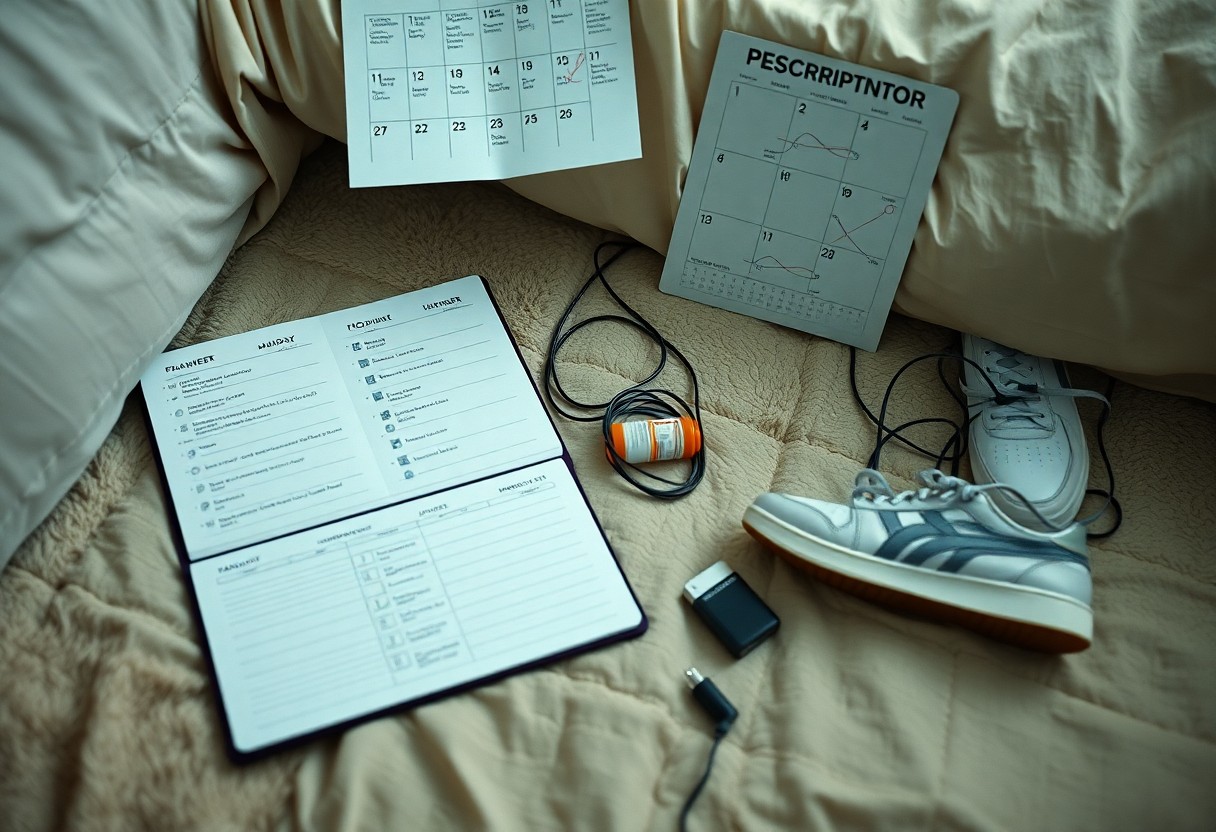
Across the lifespan, ADHD presents heterogeneously in women, often with inattentive symptoms, emotional dysregulation and executive-function impairments that are easily misattributed to anxiety or life stress. You may notice missed bill payments, chronic lateness or perfectionism that masks core difficulties. Population studies estimate ADHD affects about 2.5% of adults worldwide, with comorbidity with depression or anxiety in roughly 40-60% of cases, increasing the chance that your ADHD will be overlooked.
The Neurobiological Basis of ADHD
Neurobiologically, ADHD reflects differences in monoamine signalling and network connectivity: reduced dopamine and noradrenaline transmission in the prefrontal cortex and striatum alters attention, reward processing and impulse control. You should note twin studies report heritability of about 70-80%, and longitudinal MRI work (e.g. Shaw et al.) shows cortical maturation delayed by roughly 2-3 years in key regions, correlating with persistent executive dysfunction on tasks requiring sustained attention.
Common Symptoms of ADHD
Symptoms you may experience include persistent inattention (frequent forgetfulness, poor timekeeping), internal restlessness, emotional lability and episodes of hyperfocus that derail other responsibilities. Women commonly present with the predominantly inattentive or combined type, so your difficulties can be mislabelled as anxiety or low mood; missed diagnosis raises the risk of mood disorders, relationship strain and occupational impairment.
In daily life your ADHD might look like struggling with multi-step projects at work, repeatedly losing important items, or overcompensating with lists and routines that still fail. Masking-through overworking, perfectionism and rehearsed social scripts-is common, and many women are first assessed in their thirties after years of self-management. Recognising these patterns opens the door to targeted behavioural strategies and medication that substantially improve functioning.
ADHD Symptoms in Women
In adulthood, ADHD affects around 2.5-4% of people, yet in women it is often missed because your symptoms present differently; you may internalise restlessness, struggle with organisation, or mask difficulties through overcompensation. Studies show up to around 50% have coexisting anxiety or depression, which can obscure ADHD. If you find chronic overwhelm, missed deadlines despite competence, and persistent self-blame, these are frequent signs that the condition has gone unrecognised.
Unique Presentation of Symptoms
You frequently present with the predominantly inattentive profile: difficulty with time management, planning and sustaining attention; for example, you might miss bill payments, collect clutter, or hyperfocus on a hobby for hours while neglecting work. Many women mask by becoming perfectionistic or highly organised in visible areas, concealing executive dysfunction underneath. Case reports often describe diagnosis in the 30s when life demands exceed coping strategies.
Emotional and Social Challenges
Emotional dysregulation affects up to around 70% of adults with ADHD, so you may experience intense shame, mood swings or rejection-sensitive responses that strain relationships; rejection sensitive dysphoria is commonly reported and can feel debilitating. Social masking and people-pleasing often leave you exhausted, increasing risk of anxiety, low self-worth and, in some cases, self-harm or severe depression if untreated.
At work you might overcommit and then miss deadlines, provoking shame loops that worsen isolation; in parenting, missed routines can be misread as neglect despite deep care. Evidence-based supports – stimulant medication, which can reduce core symptoms by approximately 50-70%, cognitive behavioural therapy and workplace adjustments – provide measurable benefit, while peer support helps reverse internalised stigma and improves coping.
Why ADHD is Often Missed in Women
Complex social expectations and subtler presentations mean ADHD in women is frequently overlooked; Why ADHD Is Often Underdiagnosed In Women highlights how boys are diagnosed 2-3 times more often in childhood. If you present with internal restlessness, perfectionism or chronic lateness, clinicians may attribute symptoms to anxiety, depression or hormones, so your ADHD can be missed or delayed, raising risk of burnout and comorbidities.
Gender Bias in Diagnosis
Diagnostic norms still favour externalising signs, so teachers and clinicians are more likely to spot boys with overt hyperactivity; studies report boys are referred 2-3 times more often. When you internalise symptoms-daydreaming, quiet disorganisation-you’re less visible, and your struggles are often labelled as mood or personality issues rather than recognised as ADHD.
Coping Mechanisms That Mask Symptoms
Many women develop sophisticated strategies-overplanning, colour-coded lists, people-pleasing and relentless self-monitoring-that conceal core ADHD traits. If you invest hours compensating to meet expectations, those adaptations can act as a mask, making clinical detection harder and delaying support despite mounting stress.
For example, one common pattern sees you becoming the “reliable” colleague who secretly works late to cover missed deadlines; this often leads to exhaustion rather than diagnosis. Case vignettes show masking can shift presentation from obvious inattentiveness to high-functioning perfectionism, so clinicians miss the pattern unless they probe childhood history, daily routines and the hidden cost-chronic fatigue, anxiety and relationship strain.

The Impact of Undiagnosed ADHD
Over time, undiagnosed ADHD quietly erodes functioning: because you lack diagnosis and support, missed opportunities compound into chronic stress, burnout and reduced quality of life. With adult ADHD affecting roughly 2.5-4% of people and up to 60% experiencing coexisting anxiety or depression, you’re more likely to struggle with organisation, finances and self-worth unless symptoms are identified and treated.
Academic and Professional Consequences
In education and work, your executive dysfunction can cause missed deadlines, repeated course or role changes and stalled promotions; studies show adults with ADHD report higher job turnover and lower educational attainment. For example, you might excel in interviews but underdeliver on long-term projects, leading to lost raises or strained professional relationships without reasonable adjustments.
Effects on Relationships and Mental Health
Your interpersonal life often bears the brunt: forgetfulness, impulsivity and emotional swings can be misread as indifference, increasing conflict and isolation. Research links ADHD to elevated rates of anxiety, depression and relationship breakdown, so untreated symptoms frequently worsen mood disorders and reduce social support.
More specifically, emotional dysregulation and rejection sensitivity can make ordinary criticisms feel devastating, triggering avoidance or explosive responses that erode trust. Practical examples include forgetting appointments or double-booking plans, leading partners to feel undervalued; meanwhile, persistent self-criticism feeds low self-esteem and can delay help-seeking, perpetuating a cycle where your mental health and relationships decline without targeted strategies or treatment.
Seeking Help: Diagnosis and Treatment
When you decide to seek help, expect a structured assessment and a collaborative plan that addresses your daily functioning, relationships and work. Many women report a delay of 7-10 years between symptom onset and diagnosis; this delay often leads to untreated anxiety, depression and burnout. You should bring school reports, past assessments and a list of current symptoms to appointments, and expect referrals to a psychiatrist, neurodevelopmental clinic or specialist nurse for comprehensive evaluation and follow-up.
The Diagnostic Process for Women
Assessment usually combines a clinical interview, DSM‑5 criteria (symptoms present before age 12) and validated scales such as the ASRS or BAARS; collateral history from a partner, parent or teacher strengthens the picture. You’ll be screened for coexisting anxiety, depression, thyroid and perimenopausal symptoms, and sometimes medical tests to exclude mimics. Expect a focus on the often‑missed inattentive presentation and a discussion about how masking or perfectionism has hidden your symptoms.
Treatment Options and Strategies
Treatment mixes pharmacology and psychosocial approaches: stimulants (methylphenidate, lisdexamfetamine) and non‑stimulants (atomoxetine) alongside CBT, ADHD coaching, occupational therapy and workplace adjustments. About 70% of adults respond to stimulants, but assessment for cardiovascular risk and substance history is necessary. You and your clinician should use shared decision‑making to tailor doses, monitor side effects and combine therapies for the best functional gains.
Practically, clinicians start low and titrate over weeks while monitoring blood pressure, heart rate and symptom scores; CBT programmes typically run for 10-20 sessions focusing on organisation, time management and emotional regulation. You may notice symptom fluctuation with menstrual cycles or sleep loss, so treatment plans often include sleep hygiene, exercise and focused coaching (4-12 sessions) to build routines. Pregnancy, breastfeeding and contraception are discussed before initiating medication to balance risks and benefits.
Advocacy and Awareness
The Importance of Raising Awareness
When advocacy grows, you see systems change: girls are still diagnosed up to three times less often than boys, which means many women only get assessed after years of misdiagnosed anxiety or depression. Campaigns that train teachers and GPs to spot inattentive symptoms have shortened referral times in pilot studies, and you benefit when professionals use screening tools like the ASRS. Increasing public literacy reduces stigma and lowers the risk of harmful late treatment, letting you access support earlier.
Resources for Support and Education
You can start by checking the NHS assessment pathway and NICE guidelines for adult ADHD; charities such as the ADHD Foundation and ADDISS provide accredited courses and local groups. Online tools like the ASRS self-screening questionnaire offer a quick indication, while books-e.g., “Driven to Distraction”-and evidence-based podcasts give practical strategies you can trial at home.
Peer networks-Facebook groups, Reddit communities like r/ADHDWomen, and local charity-run meet-ups-often offer lived-experience advice and reduce isolation, and research shows peer support improves self-efficacy. You can access evidence-based treatments such as cognitive behavioural therapy (CBT) and ADHD coaching through NHS or private providers; combining medication with structured therapy typically yields the best functional gains, so map out options and ask your clinician about local programmes and waiting times.
To wrap up
Presently you may notice that ADHD symptoms in women are often subtle, masked by coping strategies and societal expectations, so you should consider how your inattentiveness, hyperfocus or emotional sensitivity might be misattributed; consult resources like Why ADHD Goes Undetected in Girls to better understand diagnosis barriers and advocate for your assessment.
FAQ
Q: Why is ADHD often missed in women and girls?
A: Many women display inattentive or internalised symptoms rather than the overt hyperactivity often associated with ADHD in boys. Social expectations encourage girls to mask difficulties through coping strategies such as over-preparing, avoiding risk or relying on perfectionism, which conceals core features. Diagnostic criteria and clinician training have historically been based on male presentations, and comorbid conditions like anxiety or depression frequently lead to misdiagnosis instead of an ADHD assessment.
Q: What symptoms in women are commonly overlooked or misinterpreted?
A: Symptoms that are frequently missed include persistent disorganisation, chronic forgetfulness, internal restlessness, slow information processing, and emotional dysregulation. These can present as low self-esteem, frequent apologies, difficulty sustaining routines, and fluctuating productivity rather than obvious impulsivity. Hormonal changes across the menstrual cycle, pregnancy and menopause can also modulate symptom severity, complicating recognition.
Q: How does masking or camouflaging affect diagnosis and wellbeing?
A: Masking means adopting behaviours that hide ADHD traits, such as rehearsing social responses, mimicking peers or overworking to meet standards. While masking can lead to short-term success, it increases mental fatigue, anxiety and a sense of failure when coping strategies are exhausted. Clinicians may miss ADHD if assessment relies only on current presentation; detailed developmental history and collateral information from family, school records or long-term employers help reveal lifelong patterns.
Q: When should a woman seek an ADHD assessment and what evidence helps the process?
A: An assessment is advisable if daily functioning is persistently affected in multiple areas (work, home, relationships) and there is a history of symptoms dating back to childhood, even if mild. Helpful evidence includes school reports, employment histories showing patterns of underperformance or job changes, examples of missed deadlines or lost items, previous mental health diagnoses, and input from partners or parents. A GP can arrange referral to an NHS adult ADHD service or a private specialist; clear examples of lifelong impairment speed assessment.
Q: What treatments and supports are effective for women with ADHD, including when diagnosis has been delayed?
A: Effective approaches combine psychoeducation, tailored psychological therapies (for example, CBT adapted for ADHD), skills coaching for executive function and organisational strategies, and medication when appropriate (stimulants or atomoxetine prescribed and monitored by a specialist). Addressing comorbid anxiety or mood disorders is important. Practical workplace adjustments, parenting support, sleep hygiene and peer support groups improve day-to-day functioning. For women, attention to hormonal influences and perinatal planning can refine management across life stages.